
Artificial Intelligence (AI) and Data Collection
Artificial intelligence enables machines to perform human tasks like learning and decision-making. Its use poses challenges in privacy and personal data handling, raising ethical concerns.
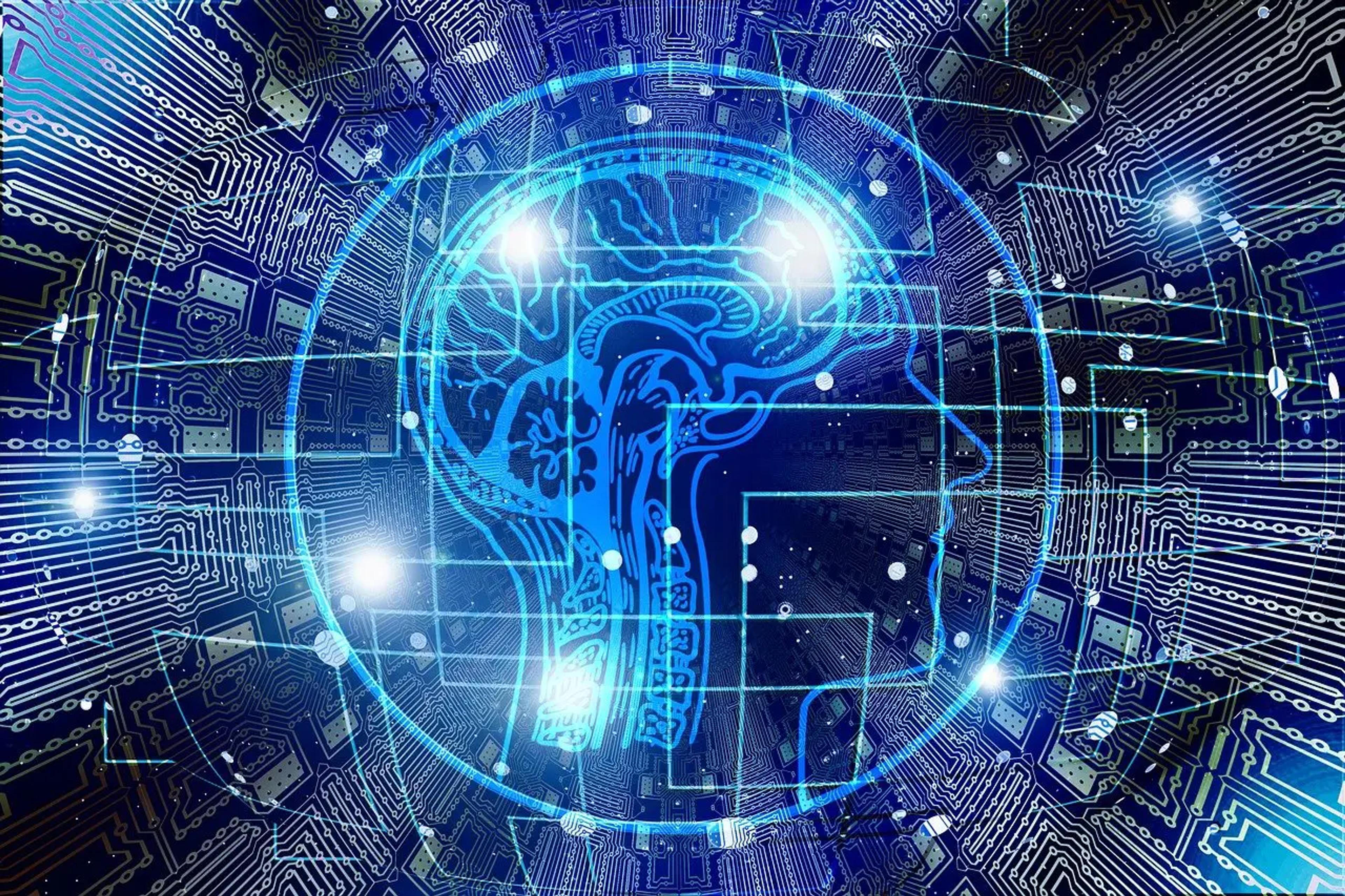
What is artificial intelligence?
Artificial intelligence (AI) represents a set of disciplines—software, logic, computer science, and philosophy—aimed at enabling computers to perform functions once thought uniquely human, such as understanding meaning in written or spoken language, learning, recognizing facial expressions, or making complex decisions.
The field of AI has a long history dating back to the 19th century, but it was in 1956 whenMarvin Minsky,John McCarthy, N.Rochester andC.E. Shannon coined the term “artificial intelligence,” defining it as “the science and engineering of making intelligent machines, especially intelligent computer programs,” understanding intelligence as that branch of computer science focused on achieving results." que definían como"la ciencia y la ingeniería de fabricar máquinas inteligentes, especialmente máquinas inteligentes de computación"entendiendo por inteligente la parte de la informática orientada a obtener resultados.
Why artificial intelligence?
More and more decisions are made automatically by computer systems, and despite general unfamiliarity with the field, we live surrounded by AI in daily life. When you use your car’s GPS and as an intelligent device it chooses the best route to your destination, when you ask Apple’s Siri assistant a question and it replies, orwhen you finish a Netflix series and the system recommends a new one based on your tastes—these are just a few examples of AI around us.
Economically, it is very attractive for machines to perform tasks that once required human involvement, and it seems unlikely that companies wanting to remain competitive could forgo AI and new technologies.
But there are dangers…
Data is key. AI tools need data, and without data there is nomachine learning.
With this data, AI can already automate and replace some human functions with machines that can see, listen, answer questions, learn, draw conclusions, and solve problems. But the ultimate goal of AI is superintelligence—achieving machine intelligence superior to that of an average human.
However, the danger is not in this hypothetical future superintelligence but is already present. As observed and explained by Edward Snowden at the 2019 Lisbon Web Summit,data collection is the abuse that is generating information that can be used against our interests.
Today’s algorithms—on internet search engines or mobile personal assistants—know our movements, our tastes, and can even infer our thoughts. We generate massive amounts of information daily, which is key to finding relationships and patterns that would be impossible to detect without AI techniques, and consequently result in ourloss of privacy.
Former executives from Silicon Valley giants like Facebook, Twitter, and Google have spoken out about strategies designed to manipulate emotions and behavior, data collection, and subsequent targeting of customers—from cosmetic brands and universities to political ends—summed up in the phrase“If you’re not paying for the product, you are the product.”
Edward Snowden believes only each of us can prevent data collection and the loss of our privacy. We should have the right to a copy of all personal data we generate, control its use, and decide who can access it and under what conditions—rather than leaving it in the hands of large corporations like Google, Amazon, or Facebook without knowing how they use it. We must start valuing our clicks and our time.
Our team can help with any aspect related to data protection and new technologies. If you have any questions or need clarification, feel free to contact us.